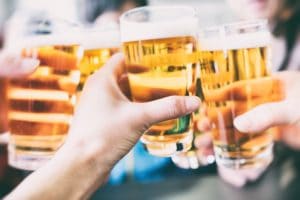
Yes, alcohol can affect orthodontic treatment, mostly in indirect ways. Drinking can raise your risk of decay, dry out your mouth, stain clear appliances, and, with frequent or binge-pattern use, may influence the bone remodeling that moves your teeth. The good news? Occasional, mindful drinking is rarely a deal-breaker.
At Teeters Orthodontics, we get this question often from adult patients in metal braces or Invisalign clear aligners. So let’s break down what the research and clinical experience actually say.
In this article, we’ll walk through how alcohol interacts with brackets, wires, and aligners, which drinks pose the biggest risks, who needs extra caution, and simple habits that protect your smile during treatment. Dr. Teeters, who is board certified by the American Board of Orthodontics, and team teeters want you informed, not anxious, so you can keep your treatment on track and your results looking great at our Peoria office.
How Alcohol Interacts With Metal Braces and Aligners
Alcohol doesn’t directly loosen brackets or warp aligners. The bigger concerns are what’s in the drink and what alcohol does to your mouth.
Here’s what happens behind the scenes:
- Sugar and acid exposure. Many alcoholic drinks (cocktails, ciders, dessert wines, beer) carry sugar, acid, or both. Both feed cavity-causing bacteria and weaken enamel around brackets.
- Dry mouth. Alcohol is dehydrating. Less saliva means less natural rinsing, less mineral support for enamel, and more plaque buildup around wires and bands.
- Staining. Red wine, dark beers, and richly colored cocktails can tint ceramic brackets, the elastic ties around metal braces, and Invisalign clear aligners.
- Bone remodeling. Tooth movement depends on healthy bone turnover. According to research summarized by the American Association of Orthodontists (AAO), heavy or binge-pattern alcohol use can disrupt bone metabolism, which slows how efficiently teeth shift into place.
- Aligner trapping. This one’s big. If you sip a sugary or acidic drink with aligners in, that liquid pools against your teeth for hours. It’s like giving plaque a long lunch break.
How Do Invisalign Clear Aligners Change the Risk?
Aligners must come out for anything besides water. Beer with your trays in? That’s a recipe for stains, odor, and cavities. Always remove your Invisalign clear aligners, rinse your mouth before reinserting, and brush when possible. Trapped liquid has nowhere to drain when trays seal it against enamel, so even a single drink can do more damage than the same drink without aligners in.
For metal braces and clear braces, the appliance itself is fine around alcohol. The issue is what builds up around the brackets when oral hygiene slips. Food debris and sugary residue cling to the metal and the wire, and dry mouth from drinking makes that buildup harder for saliva to wash away on its own.
Key Concerns of Drinking During Orthodontic Treatment
Most patients can enjoy a drink now and then without throwing off their treatment. The trouble starts with frequency, sugar content, and hygiene habits. Here are the main concerns to keep on your radar:
- Higher cavity and gum disease risk. Brackets and wires give plaque more places to hide. Add sugary drinks and dry mouth, and you’ve got prime conditions for white spots, decay, and inflamed gums.
- Slower healing. If you’ve had an extraction or orthognathic surgery as part of your plan, alcohol can interfere with clot formation, tissue repair, and any prescribed medications.
- Staining on clear appliances. Red wine and dark beers are common culprits. Once ceramic brackets or aligner trays discolor, they don’t easily go back.
- Dehydration and dry mouth. Saliva is your mouth’s natural defense. Less of it means more bacteria, more bad breath, and weaker enamel protection.
- Possible impact on tooth movement.
- Research suggests frequent heavy drinking slows the bone changes needed for efficient movement, potentially extending treatment time.
None of these mean you have to swear off alcohol entirely. They just mean awareness matters more once you’re in treatment.
Beer vs Wine vs Spirits: Which Is Worse for Your Braces?
Red wine is generally the toughest drink on orthodontic appliances because its deep pigments stain ceramic brackets and aligner trays while its acidity erodes enamel. Sugary cocktails run a close second. Different drinks bring different risks, so here’s a side-by-side look at how common options stack up for patients in orthodontic treatment:
| Drink Type | Sugar Content | Acidity | Staining Risk | Main Concern |
|---|---|---|---|---|
| Red wine | Low to moderate | High | Very high | Staining ceramic braces and aligners, enamel erosion |
| White wine | Low to moderate | Very high | Low | Enamel erosion from acidity |
| Beer (light/lager) | Moderate | Moderate | Low to moderate | Sugar exposure, dry mouth |
| Dark beer (stout, porter) | Moderate | Moderate | Moderate to high | Staining, sugar |
| Spirits (neat) | None | High | Low | Drying effect on mouth |
| Cocktails with mixers | High | High | Varies | Sugar, acid, and staining combined |
| Hard seltzer | Low | High | Low | Acidity, dehydration |
Red wine tends to be the toughest on clear appliances. The deep pigments cling to ceramic and plastic surfaces.
Beer is gentler on staining but still delivers sugar and acid that bacteria love.
Spirits alone are low in sugar, but mixers (soda, juice, syrups) often flip them into the highest-risk category. Neat spirits also dry the mouth quickly.
What Smart Habits Reduce the Impact?
- Drink a glass of water alongside any alcoholic beverage
- Use a straw for mixed drinks to bypass front teeth
- Rinse your mouth with water after drinking
- Wait at least 30 minutes before brushing (acid softens enamel temporarily)
- Always remove Invisalign clear aligners before drinking anything besides water
How Often Is Too Often During Treatment?
There’s no single number that fits everyone, but the pattern matters more than the occasional glass. Daily drinking keeps your mouth in a near-constant cycle of sugar exposure and dehydration, which never gives enamel a chance to recover. Spacing drinks out, pairing them with water, and brushing afterward all reset that cycle. If you find yourself drinking most days of the week, that’s worth mentioning to Dr. Teeters so your hygiene plan can account for it.
Does Alcohol Add to the Cost of Orthodontic Treatment?
It can, indirectly. Alcohol itself isn’t billed into your treatment plan, but the side effects of frequent drinking can add up in a few ways. Heavy or sugary drinking habits during treatment may lead to longer overall treatment time, replacement aligners, extra dental work, and delayed adjustments, all of which can push your final cost higher than originally planned.
Here’s where extra expenses tend to creep in:
- Extended treatment time. If tooth movement slows or appointments get pushed back due to hygiene issues, you’re in active treatment longer.
- Replacement aligner fees. Stained or damaged Invisalign clear aligners may need to be reordered.
- More cleanings and fillings. Cavities and gum inflammation from sugary drinks mean extra trips to your general dentist, often at out-of-pocket cost.
- Delayed adjustments. Slower healing after extractions or orthognathic surgery can postpone the next phase of your plan.
The flip side is encouraging. Patients who keep up with hygiene and drink mindfully often finish on schedule and within their original financial plan. Teeters Orthodontics offers in-house 0% financing, and staying on track is the easiest way to keep your monthly numbers predictable at our Peoria office.
Who Should Be Especially Careful With Alcohol During Treatment?
Some patients have a thinner margin for error when it comes to alcohol and orthodontics. If any of these apply to you, talk with Dr. Teeters about what’s safe for your situation:
- Recent extractions or orthognathic surgery. Alcohol can thin blood, disrupt clotting, and interact with prescribed or antibiotic medications. Healing comes first.
- Dry mouth tendencies. If you take medications that reduce saliva (antihistamines, antidepressants, blood pressure meds), alcohol compounds the problem.
- Clear aligner or ceramic brace wearers. Aesthetic appliances are more vulnerable to staining. If you chose them for the look, protecting that look matters.
- Existing gum disease or high cavity risk. Adding sugar, acid, and dehydration on top of an already vulnerable mouth invites trouble.
- Teens and young adults. For our younger patients, alcohol shouldn’t be part of the picture at all. Underage drinking carries its own health concerns far beyond orthodontics.
Dr. Teeters is board certified by the American Board of Orthodontics. That training means your guidance is personalized, not generic. If you’re unsure how your habits fit into your plan, bring it up at your next visit to our Peoria office, where Dr. Teeters and team teeters can review your specific situation in detail.
Frequently Asked Questions About Alcohol and Orthodontics
Can I drink alcohol with Invisalign clear aligners?
You can drink alcohol during treatment, but always remove your Invisalign clear aligners first. Drinking with trays in traps sugar, acid, and pigments against your teeth for hours. Rinse your mouth with water before putting your aligners back in, and brush when possible. Only plain water is safe to drink with aligners in place. The team at our Peoria office can show you the easiest routine for storing trays while you’re out.
Does alcohol stain metal braces or aligners?
Yes, especially dark drinks like red wine, dark beer, and richly colored cocktails. Ceramic braces, clear elastic ties on metal braces, and Invisalign clear aligners can all pick up discoloration. To reduce staining, use a straw when possible, rinse with water after drinking, and clean your aligners gently with a soft brush.
Can alcohol slow down tooth movement?
Occasional drinking usually won’t affect your results. Frequent heavy or binge-pattern drinking, however, may interfere with the bone remodeling that allows teeth to shift. According to the AAO, healthy bone metabolism supports efficient orthodontic movement, and habits that disrupt it (including heavy alcohol use, smoking, and poor nutrition) can slow progress.
Is mouthwash with alcohol safe with metal braces?
Alcohol-based mouthwashes aren’t dangerous with metal braces, but they can dry out your mouth and irritate sensitive gum tissue around brackets. Alcohol-free fluoride rinses are gentler and often more effective at protecting enamel around your appliances. Ask Dr. Teeters or team teeters for a specific recommendation at your next appointment.
How long should I avoid alcohol after orthodontic surgery?
Follow the timeline your oral surgeon and Dr. Teeters give you, which is usually at least several days to a week after orthognathic surgery or extractions. Alcohol can interfere with clotting, healing, and prescribed medications. When in doubt, wait longer. Solid healing protects the rest of your treatment timeline, so the Peoria office team would rather you pause than rush back to old habits too soon.